
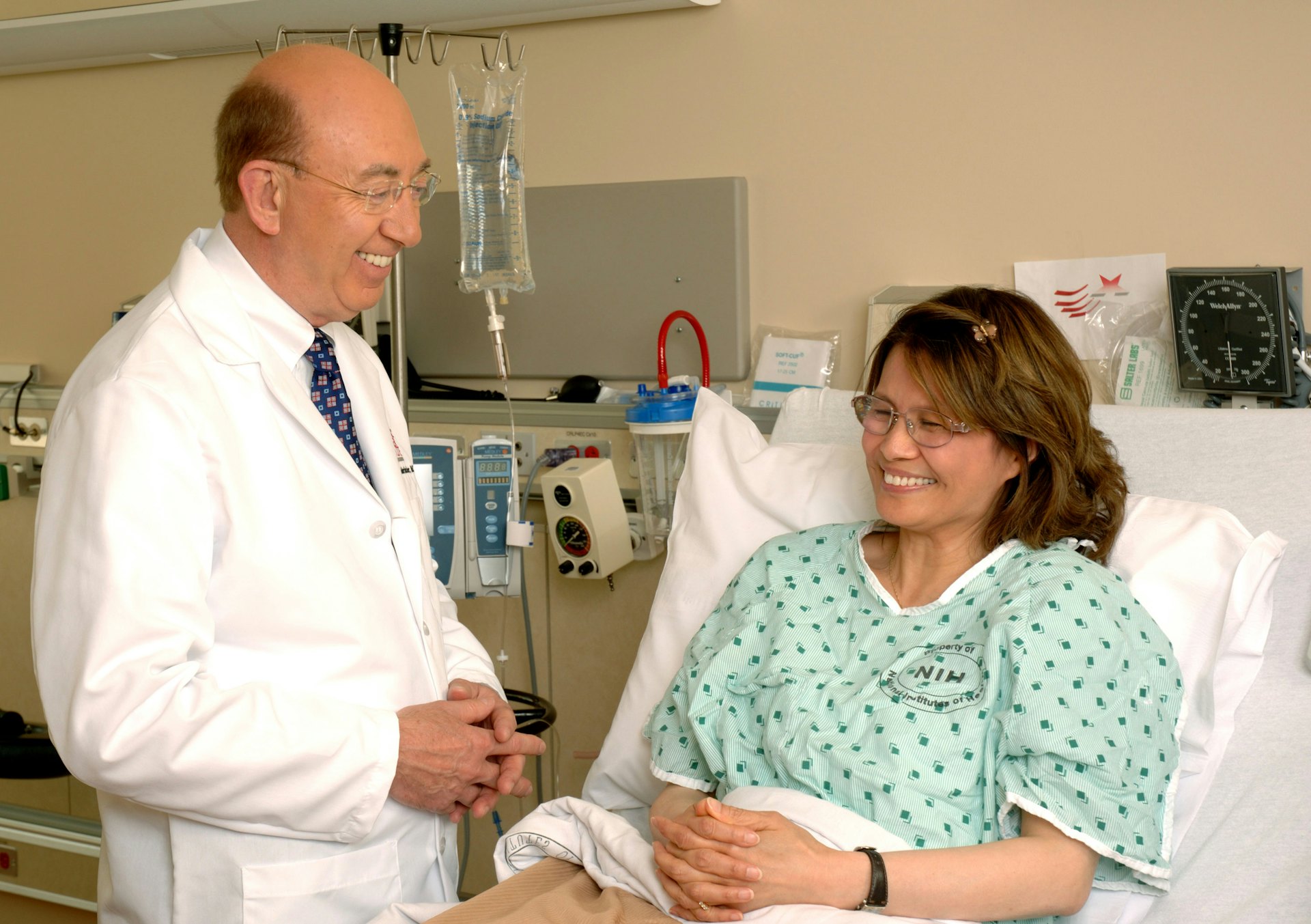
The CEN (Certified Emergency Nurse) exam tests your ability to think on your feet in high-acuity situations. It's not just about memorising facts — it's about prioritising care, interpreting subtle cues, and applying evidence-based protocols under pressure. To help you gauge where you stand, here are 10 representative questions that mirror the style, difficulty, and content distribution of the real exam. Each question includes a detailed solution that walks you through the clinical reasoning — not just the correct answer, but why the other options are wrong.
CEN Sample Questions: Cardiovascular Emergencies
Question 1
A 58-year-old male presents with crushing chest pain, diaphoresis, and nausea. ECG shows ST-segment elevation in leads II, III, and aVF. Which intervention should you perform FIRST?
A. Administer sublingual nitroglycerin 0.4 mg B. Obtain a 12-lead ECG (if not already done) C. Give aspirin 324 mg chewed D. Activate the cardiac catheterization lab
Solution: The correct answer is C. For a patient with suspected STEMI, aspirin should be given as soon as possible — ideally within minutes of symptom onset. While nitroglycerin (A) is indicated for ischemic chest pain, it should be given after aspirin and with caution (hypotension, right ventricular involvement). Obtaining a 12-lead ECG (B) is critical, but the question implies the ECG is already done (ST elevation is noted). Activating the cath lab (D) is important, but the immediate priority is antiplatelet therapy to reduce mortality. In the emergency setting, the mantra is "aspirin first, then everything else."
Question 2
A 72-year-old female presents with palpitations, lightheadedness, and a heart rate of 168 bpm. The monitor shows a narrow QRS tachycardia with no discernible P waves. She is hemodynamically stable. What is the most appropriate next step?
A. Synchronized cardioversion at 100 J B. IV adenosine 6 mg rapid push C. IV metoprolol 5 mg D. Vagal maneuvers
Solution: The correct answer is D. For a stable patient with a regular narrow-complex tachycardia (likely SVT), vagal maneuvers (e.g., Valsalva) are the first-line intervention. They are non-invasive and can terminate the rhythm. If vagal maneuvers fail, adenosine (B) is the next step. Synchronized cardioversion (A) is reserved for unstable patients. Metoprolol (C) is used for rate control in atrial fibrillation/flutter, but this rhythm is regular and narrow — more consistent with AV nodal reentry. Always start with the least invasive, safest option.
CEN Sample Questions: Respiratory Emergencies
Question 3
A 34-year-old asthmatic presents with severe respiratory distress. He is speaking in single words, has audible wheezing, and uses accessory muscles. His SpO2 is 88% on room air. Which medication should be administered FIRST?
A. Oral prednisone 60 mg B. Nebulized albuterol 2.5 mg C. IV magnesium sulfate 2 g D. Subcutaneous epinephrine 0.3 mg
Solution: The correct answer is B. In acute severe asthma, inhaled short-acting beta-agonists (SABAs) like albuterol are the first-line bronchodilator. They provide rapid relief by relaxing bronchial smooth muscle. Systemic corticosteroids (A) reduce inflammation but take hours to work. Magnesium (C) is an adjunct for severe exacerbations, not first-line. Epinephrine (D) is reserved for anaphylaxis or refractory bronchospasm. The priority is to open the airways immediately — albuterol does that fastest.
Question 4
A 65-year-old with COPD is brought in with increasing shortness of breath. Arterial blood gas shows pH 7.28, PaCO2 60 mmHg, PaO2 55 mmHg, HCO3 30 mEq/L. Which acid-base disorder is present?
A. Acute respiratory acidosis B. Chronic respiratory acidosis with acute exacerbation C. Metabolic alkalosis with respiratory compensation D. Mixed metabolic acidosis and respiratory alkalosis
Solution: The correct answer is B. The pH is low (acidemia), PaCO2 is high (respiratory acidosis), but the HCO3 is elevated (30) — indicating chronic compensation. In a pure acute respiratory acidosis, HCO3 would be normal (~24). The elevated HCO3 suggests the patient has chronic CO2 retention (baseline high PaCO2) with a superimposed acute rise — hence acute-on-chronic respiratory acidosis. This is a classic presentation in COPD exacerbations. Option A is incorrect because HCO3 is not normal. Option C is incorrect because the primary disorder is respiratory, not metabolic. Option D is the opposite — here we have acidosis, not alkalosis.
CEN Sample Questions: Neurological Emergencies
Question 5
A 45-year-old presents with sudden severe headache, vomiting, and neck stiffness. CT head is negative for hemorrhage. What is the next best step?
A. Lumbar puncture B. MRI brain C. Discharge with analgesia D. CT angiography
Solution: The correct answer is A. This clinical picture is suspicious for subarachnoid hemorrhage (SAH). A non-contrast CT is highly sensitive within 6 hours of onset, but if negative and suspicion remains high, a lumbar puncture is indicated to look for xanthochromia or red blood cells. MRI (B) is not the standard next step for acute SAH. CT angiography (D) can identify aneurysms but is not the first-line after a negative CT. Discharge (C) is unsafe. Remember: a negative CT does not rule out SAH — you must consider LP.
Question 6
A 70-year-old with atrial fibrillation (not on anticoagulation) presents with sudden left-sided weakness, facial droop, and dysarthria. Last known well was 2 hours ago. Blood glucose is 90 mg/dL. What is the most important immediate action?
A. Obtain CT head without contrast B. Administer aspirin 325 mg C. Call neurology for thrombolytic evaluation D. Start IV heparin
Solution: The correct answer is A. In acute ischemic stroke, the first step is to obtain a non-contrast CT head to rule out hemorrhage — this determines eligibility for thrombolytics. Aspirin (B) is given after hemorrhage is excluded. Calling neurology (C) is important but not the immediate priority — you need imaging first. Heparin (D) is not indicated in acute stroke. The clock is ticking: door-to-CT time should be under 25 minutes.
CEN Sample Questions: Gastrointestinal and Genitourinary Emergencies
Question 7
A 28-year-old female presents with RLQ pain, fever, and anorexia. Urine pregnancy test is negative. On exam, she has rebound tenderness at McBurney's point. Which of the following is the most likely diagnosis?
A. Ectopic pregnancy B. Ovarian torsion C. Acute appendicitis D. Pelvic inflammatory disease
Solution: The correct answer is C. The classic presentation of acute appendicitis includes periumbilical pain migrating to the RLQ, anorexia, fever, and rebound tenderness at McBurney's point. Ectopic pregnancy (A) is ruled out by negative pregnancy test. Ovarian torsion (B) often presents with sudden severe pain and may have a palpable mass. PID (D) typically involves cervical motion tenderness and vaginal discharge. Appendicitis is the most common surgical emergency — and the exam loves this presentation.
Question 8
A 50-year-old male presents with colicky flank pain radiating to the groin, hematuria, and nausea. CT shows a 6 mm stone in the proximal ureter. He is stable and pain is controlled. What is the most appropriate management?
A. Immediate lithotripsy B. Ureteral stent placement C. Observation with outpatient follow-up D. IV fluids and analgesia, then discharge with tamsulosin
Solution: The correct answer is D. For a 6 mm ureteral stone, spontaneous passage is likely (up to 60% for stones <7 mm). Management includes IV fluids, analgesia (NSAIDs preferred), and discharge with tamsulosin to facilitate passage. Lithotripsy (A) is reserved for stones >10 mm or those that fail to pass. Stent placement (B) is for obstruction with infection or refractory pain. Observation alone (C) is not enough — you need to provide medical expulsive therapy. Always consider size and location: proximal ureteral stones have a reasonable passage rate.
CEN Sample Questions: Psychosocial and Environmental Emergencies
Question 9
A 22-year-old is brought in by police for erratic behavior, hyperthermia (104°F), and muscle rigidity. He admits to taking "Molly" at a rave. Which of the following is the priority intervention?
A. Administer naloxone B. Rapid cooling and IV fluids C. Administer benzodiazepines D. Obtain urine toxicology screen
Solution: The correct answer is B. This presentation is consistent with serotonin syndrome or sympathomimetic toxicity from MDMA (ecstasy). Hyperthermia is life-threatening — rapid cooling and IV fluids are the immediate priority. Benzodiazepines (C) are used for agitation and seizures, but they don't treat hyperthermia directly. Naloxone (A) is for opioid overdose — not indicated here. Urine toxicology (D) is confirmatory but not urgent. Remember: hyperthermia can lead to rhabdomyolysis, DIC, and death — cool the patient first.
Question 10
A 30-year-old hiker presents after a bee sting. He has urticaria, facial swelling, and wheezing. Blood pressure is 90/60 mmHg. What is the first medication to administer?
A. IV diphenhydramine 50 mg B. IM epinephrine 0.3 mg (1:1000) C. Nebulized albuterol D. IV methylprednisolone 125 mg
Solution: The correct answer is B. This is anaphylaxis — the patient has airway, breathing, and circulation involvement. IM epinephrine is the first-line treatment and should be given immediately. It works by reversing bronchospasm, vasodilation, and laryngeal edema. Antihistamines (A) and corticosteroids (D) are adjuncts — they do not treat the acute reaction. Albuterol (C) can help bronchospasm but does not address hypotension. Epinephrine is the only drug that can save this patient's life.
Take a free CEN — Certified Emergency Nurse demo mock to find out where you stand: Try the demo →
How to Use These CEN Sample Questions
These 10 questions represent the core content areas of the CEN exam: cardiovascular, respiratory, neurological, GI/GU, and psychosocial/environmental. But the real exam has 175 scored questions (150 in most versions) covering all these areas and more — including professional issues, wound management, and toxicology.
To get the most out of these sample questions:
- Time yourself — aim for 1 minute per question, just like the real exam.
- Read the rationales — even if you got the answer right, understand why the distractors are wrong.
- Identify your weak areas — if you missed several respiratory questions, focus your study there.
- Practice with full-length mocks — the CEN exam is a marathon, not a sprint. You need stamina.
Why PractiseExam.com CEN Mocks Are Different
Our CEN mock tests are built by emergency nurses and nurse educators who have taken the exam themselves. Each question is written to match the clinical reasoning level of the actual CEN. You get:
- Realistic difficulty — not too easy, not impossible.
- Detailed rationales — every option is explained.
- Performance analytics — see your strengths and weaknesses by category.
- Updated content — aligned with the latest BCEN exam outline.
See CEN — Certified Emergency Nurse mock-test packs and pricing: View plans →
CEN Exam Quick Facts
- Format: Computer-based, 175 questions (150 scored + 25 pretest)
- Time: 3 hours (plus optional 15-minute tutorial)
- Cost: Varies — check BCEN's official site for current fees (last revised early 2026)
- Passing score: Scaled score of 90 (not a percentage)
- Renewal: Every 4 years via exam or continuing education
Common CEN Mistakes to Avoid
- 1Overthinking — the correct answer is often the most direct, safe intervention.
- 2Ignoring vital signs — always assess stability first (ABCDE).
- 3Forgetting the "first" vs "best" — the exam asks for the first action, not the ideal long-term plan.
- 4Not reading the stem fully — look for keywords like "stable," "unstable," "first," "next."
- 5Neglecting professional issues — ethics, legal, and communication questions appear on the exam.
Where to Next?
- Take a free CEN demo mock — 10 questions to gauge your baseline.
- Browse CEN mock-test packs — choose from 3 full-length exams or a bundle.
- Read more CEN study tips — learn how to structure your prep in 4 weeks.
Remember: the CEN is a challenging exam, but with the right practice, you can pass. Start with these sample questions, review the rationales, and build your stamina with full-length mocks. You've got this.